
Useful Running Accessories
The moment a runner discovers the magic of proper running socks, there's often a silent tribute to all the uncomfortable cotton socks of the past. The same revelation occurs with a reliable GPS watch, a bounce-free belt, or a headlamp that doesn't turn the forehead into a crime scene. While accessories won't transform anyone into an Olympian, they can elevate a run from "ugh, this is tough" to "wow, that was enjoyable."
Why Accessories Are Essential for Every Runner
Running brands aren't just guessing. The global running gear market was valued at USD 45.30 billion in 2024 and is expected to reach USD 69.05 billion by 2032, with a compound annual growth rate over that period (source). Running apparel is also on the rise, with the market estimated at USD 83.9 billion in 2024 and projected to more than double by 2035 (source). Clearly, there's more to it than just buying a single pair of shoes.
Accessories serve dual purposes. They address practical issues like chafing, blisters, visibility in low light, tracking distances accurately, and carrying essentials without hassle. Additionally, they subtly influence behavior. A new watch can encourage regular tracking, a reflective vest can make early runs feel safer, and comfortable gear can make it easier to step out the door when the couch is calling.
Tech That Enhances Your Running Experience
Not every gadget deserves a spot in your gear collection. Some merely add stress with their blinking and beeping. The key is selecting items that simplify running, making it more enjoyable and less complicated. Think of them as a supportive coach rather than a critical spreadsheet.
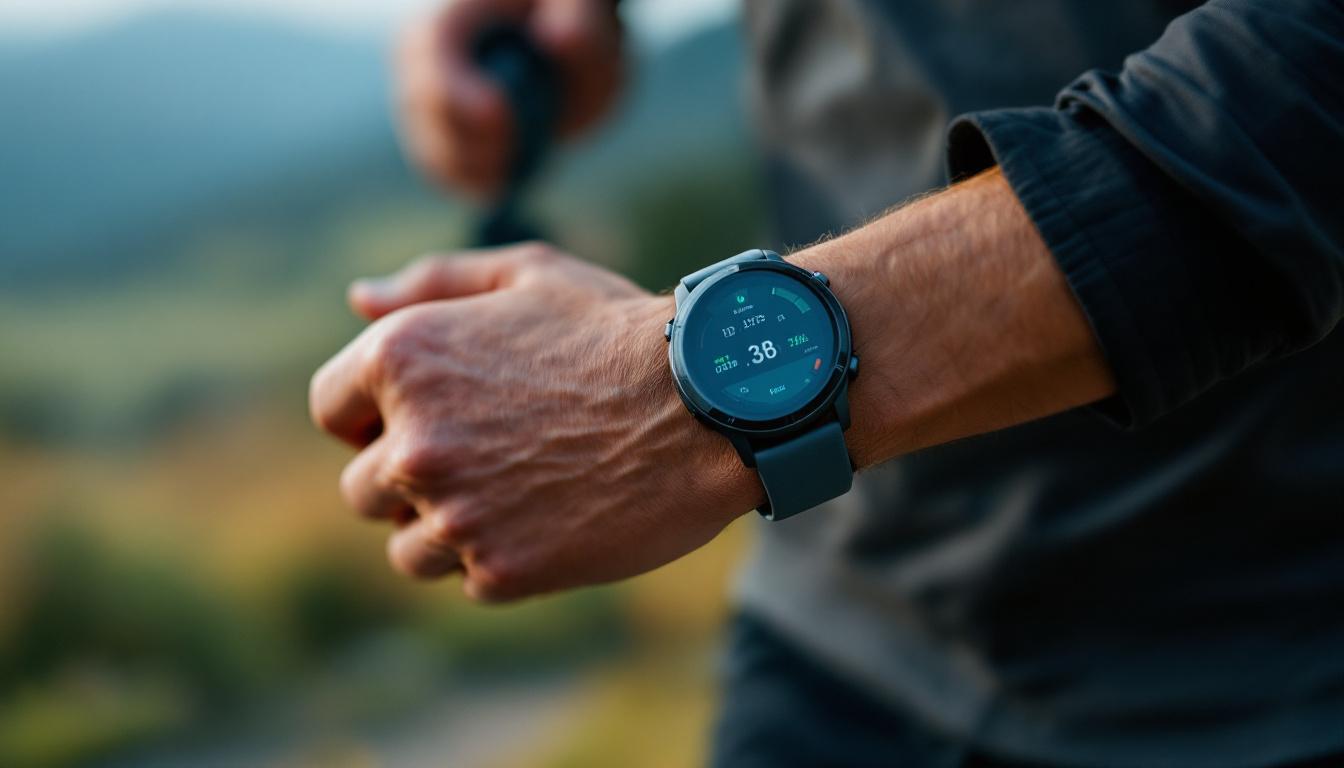
Two categories of tech stand out: devices that track effort and progress, and tools that enhance running form. When used effectively, they can eliminate guesswork and reduce unnecessary discomfort.
GPS Watches: Your Trusty Running Companion
A quality GPS watch is like a reliable running buddy who always knows the route and never loses track of the car. Garmin GPS watches, for instance, are often considered essential for half-marathon and marathon training because they track real-time distance, monitor pace, and even store music, allowing runners to leave their phones behind source. This combination of distance, pace, and music meets most training needs in one compact device.
The true benefit isn't just the data; it's what the data prevents. Without a watch, easy runs can become too intense, race pace becomes a vague notion, and long runs are estimated based on perceived effort. With a GPS watch, pacing becomes precise. Runners can set alerts for speed, follow structured workouts, and monitor recovery. The key is to avoid checking the screen every few seconds. Set it up, glance occasionally, and let it guide only when necessary.
Running Insoles
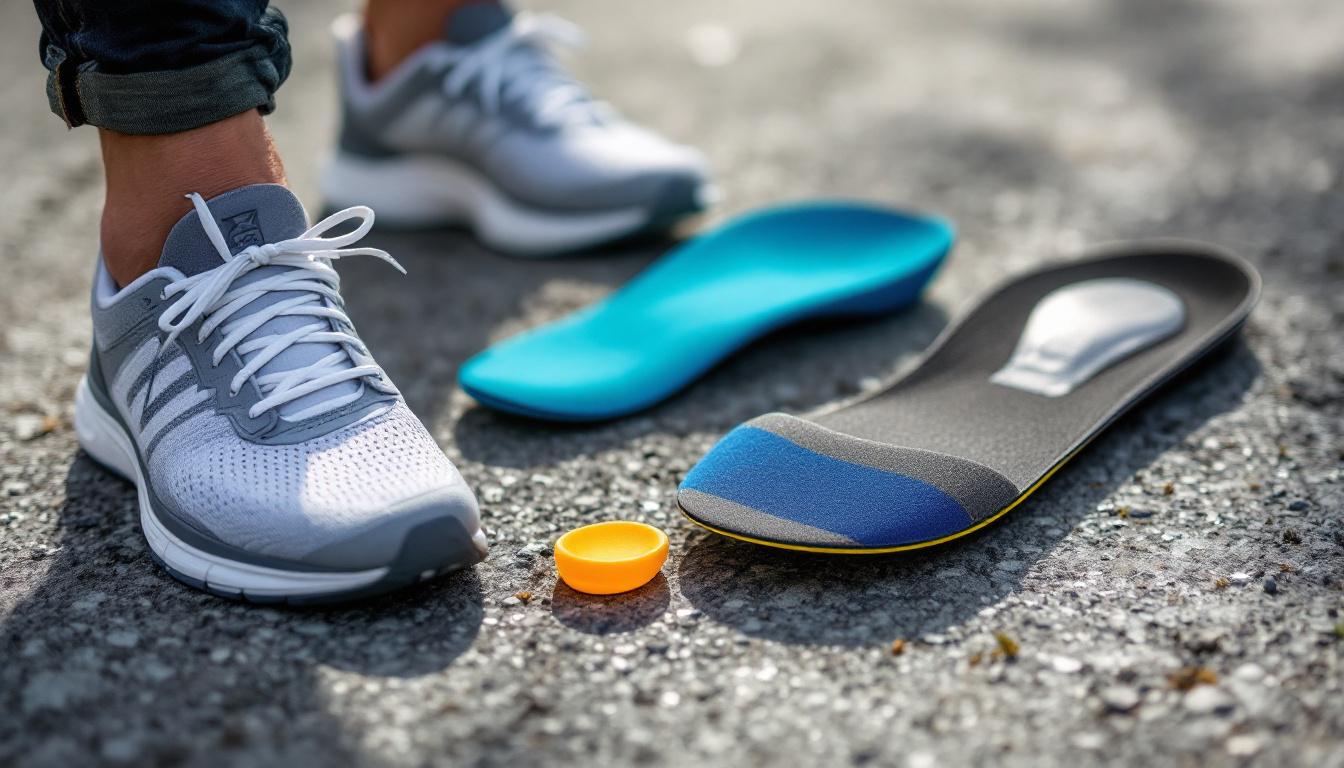
Running Insoles will soak up the impact as you pound the trail. The right insole will offer significant shock absorption, giving your feet, knees, and hips the protection they deserve.
Beyond your feet, they tackle pain in your ankles, shins, hips, lower back, and legs while speeding up recovery and preventing injuries from returning.
Consider trying Enertor Insoles for enhanced comfort and injury prevention.
Compression Socks: The Unsung Heroes
Compression socks are specially designed hosiery that apply graduated pressure to your lower legs, with the tightest fit around the ankle gradually loosening towards the calf. This design aims to improve blood circulation, reduce muscle vibration, and potentially enhance oxygen delivery to working muscles.
One of the key benefits of compression socks is their ability to help prevent injuries. By offering support to the muscles and joints, they can reduce the risk of strains and sprains, which are common among runners. Additionally, the compression can help to stabilize the muscles during intense workouts, allowing runners to maintain proper form and reduce the likelihood of overexertion. This added support is particularly beneficial during long runs or races, where fatigue can set in and lead to poor performance or injury.
Runners are drawn to compression socks for several reasons: they promise reduced muscle fatigue, faster recovery, and even improved performance.
Visibility, Safety Gear & Headwear
For those running in low light, visibility accessories are essential. Reflective vests, clip-on lights, headlamps, and bright caps or jackets transform a barely visible silhouette into something drivers can see in time to react. The goal is to resemble a running Christmas tree and not care, because being visible is crucial.
ID tags and safety bracelets are also worth considering. In an emergency, they provide a name, medical information, and an emergency contact. It's one of those items that seems unnecessary until it's needed, and by then, it's too late to wish it was on your wrist.
For head protection, consider a breathable running cap that keeps you cool. Choose a cap that offers a water-repellent fabric that sheds moisture instantly and quick-dry technology that wicks sweat before it becomes a distraction.
Comfort Accessories That Keep You Moving
A run rarely fails due to a flawed training plan. It falters because of chafing, a bouncing phone, an empty water bottle, or the relentless sun. Comfort accessories aren't luxuries; they're essential for preventing sabotage.
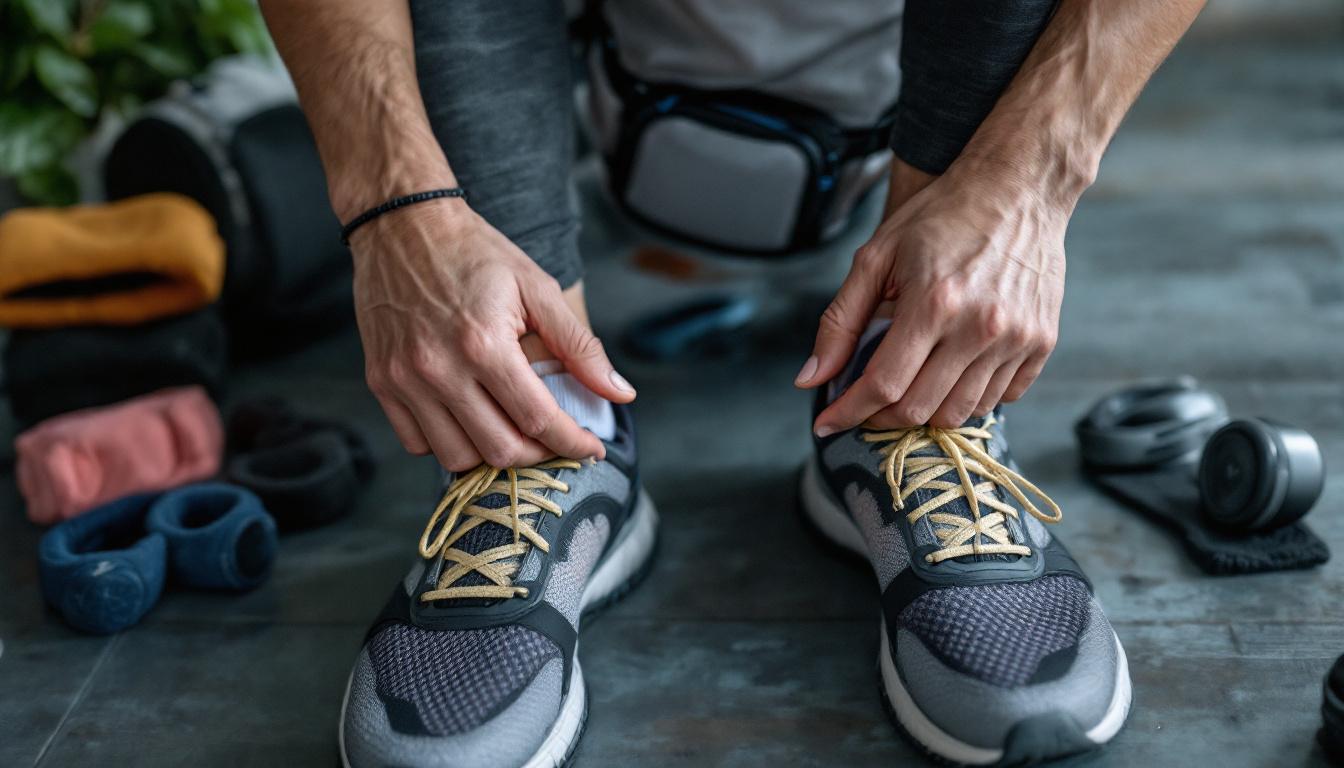
These items may seem excessive when standing still but become invaluable by kilometer eight: belts and vests for carrying gear, hydration solutions that don't slosh, hats and sunglasses that stay put, and anti-chafe products that prevent post-run discomfort.
Belt, Vest, or Pack: Where To Stash Your Essentials
Running with a phone in hand feels fine initially, but soon becomes a burden. A good running belt or vest distributes the load and prevents bouncing. Belts are ideal for shorter runs when only keys, a phone, and a small snack are needed. They sit low on the hips, remain stable, and become unnoticeable once the run is underway.
For longer trail or city runs, lightweight running vests and packs excel. They can carry soft flasks, extra layers, small first-aid items, and enough snacks to rival a convenience store. The main rule is simple: if it bounces when jogging in place, it will be maddening after half an hour. Adjust, tighten, or switch until the pack becomes almost forgettable.
Hydration Without the Slosh
Hydration accessories range from minimalist handheld bottles to collapsible flasks tucked into vest pockets. Soft flasks are popular because they shrink as they empty, reducing sloshing and bulk. For those who dislike carrying anything, small waist-mounted bottles work well when positioned slightly to the side.
The art is in planning. If access to water is limited, having a reliable way to carry it turns a risky guess into a relaxed outing. Sipping consistently rather than waiting until thirst hits makes a bigger difference than any special electrolyte formula. Shiny powders are optional; having water nearby is not.
Accessories should earn their place by making runs smoother, safer, or more enjoyable - not just by offering another metric to worry about.
Running Clothing
To help you out on the trail, check out our range or running clothes and activewear to wear on your next run.