
How to Train for Your First Trail Run: A Beginner’s Guide
The first time someone exchanges smooth pavement for a rugged, root-laden trail, two thoughts often arise in quick succession: “This is breathtaking,” followed by, “Oh no, my ankles.”
Preparing for a first trail run doesn’t require superhuman fitness, mountain-lion agility, or a closet full of sponsored gear. It does require some planning, specific strength work, and the willingness to walk up hills without feeling guilty. This guide will help you get ready for that first trail race or casual off-road adventure without destroying your knees, your confidence, or your laundry machine.
Road vs. Trail: What You’re Actually Signing Up For
On the road, running feels predictable: flat surface, steady pace, maybe the occasional pothole or rogue stroller. Trails have other ideas. One moment the ground is smooth, the next it’s a jumble of rocks, loose dirt, and roots that seem to be actively auditioning for the role of “ankle trap.” Expect slower paces, quick changes in stride, and regular walk breaks whenever the terrain gets steep or sketchy.
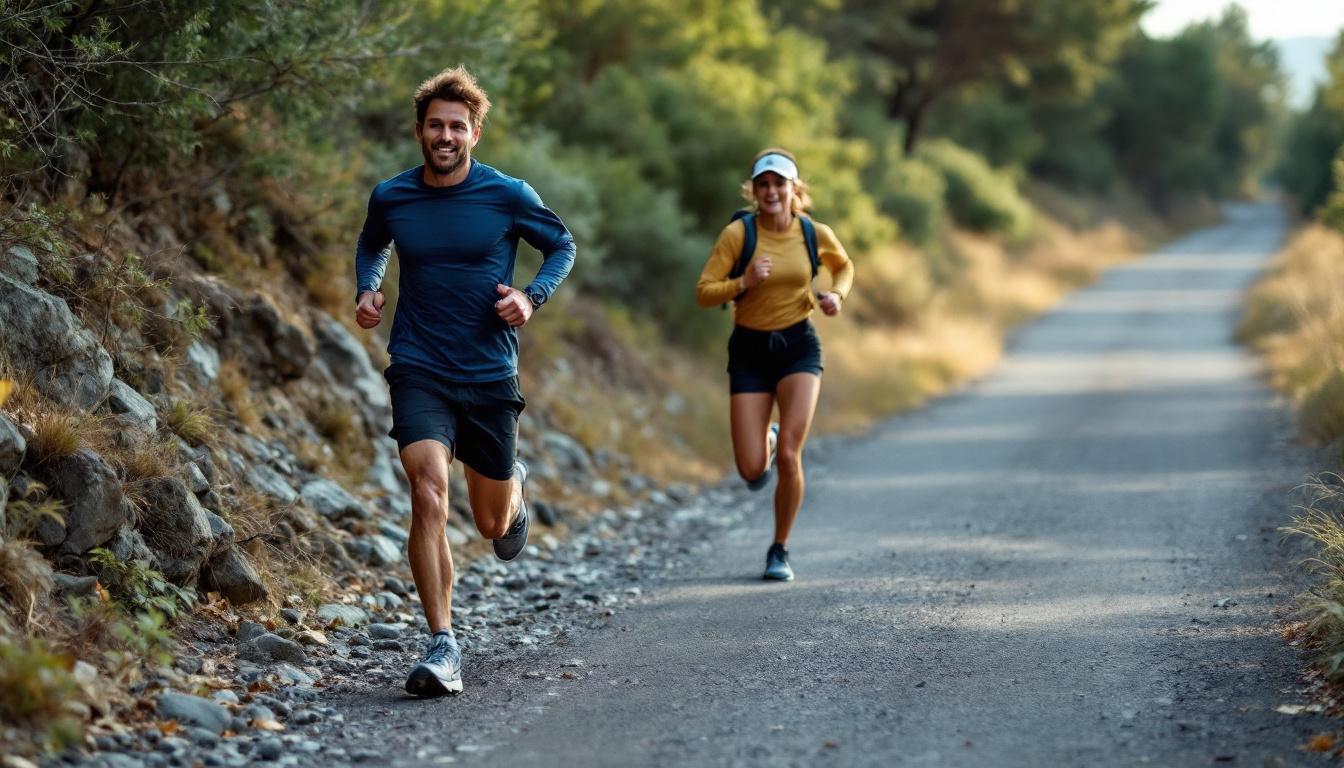
That unpredictability is part of the allure. Many events now actively welcome hikers and run-walkers, making the first outing feel more like a rolling picnic than a test of athletic worthiness.
There’s also a mental side. The combination of varied movement, fresh air, and the relentless focus required to avoid face-planting creates a sort of forced presence. It is surprisingly hard to obsess about inbox notifications while navigating a narrow, twisty singletrack.
Build a Trail-Ready Body: Training Basics
For a first trail run, the goal is simple: arrive with enough conditioning that the outing feels challenging but fun, not like an unsanctioned survival exercise. If there’s already some comfort with easy road runs or brisk walks, that base transfers nicely. Training just needs a slight trail-specific twist.
Think of training in three buckets: easy effort outings, hill-focused work, and strength. Easy runs or walk-runs done at a relaxed pace build aerobic fitness and let tendons and joints adapt. Adding gentle hills teaches legs and lungs what trail gradients feel like. Strength work is the unglamorous hero; it’s the difference between feeling springy over roots and wobbling like a newborn deer.
A Simple Week That Actually Fits Real Life
A realistic beginner trail week usually blends several short, easy outings with one hill-leaning day, at least one dedicated strength session, and generous rest. Those easy days can be on pavement, treadmill, or paths; the body does not care where the heart rate is gently elevated. The hill day might be as straightforward as walking briskly up a local incline multiple times, jogging or walking back down.
The key is effort, not speed. If breathing is calm enough to speak in sentences, the pace is fine. When climbing, expect that “easy” suddenly feels… less easy. That’s normal; short hiking breaks are part of trail culture, not a sign of failure. On flatter sections, settle into an effort that feels sustainable and relaxed.
Strength work can slide in before or after an easy day. A short circuit of bodyweight squats, lunges in different directions, calf raises off a step, side planks, and single-leg balance drills goes a long way. The goal is to feel pleasantly worked, not annihilated. If walking downstairs the next day requires a handrail and emotional support, the session was too hard.
Trail Skills: Practice on Purpose
Trail running uses all the little stabilizing muscles that city sidewalks often ignore. That means it pays to practice the skills the trails will demand. Whenever possible, swap one easy pavement outing for a relaxed shuffle on actual dirt. This is not the day to chase personal records; it’s the day to experiment with shorter strides, lighter footsteps, and quick adjustments.
Focus on looking slightly ahead down the path rather than straight at the feet. This “soft gaze” gives the brain time to pick a safe line around rocks or roots. Shorten the stride on downhills, almost like tiny, controlled hops, instead of long, plunging steps. It feels counterintuitive at first but dramatically improves control and reduces the chance of tasting gravel.
Essential Gear (Without Buying the Entire Outdoor Store)
Beginners often assume trail running demands a full tactical loadout. In reality, the must-have list is short: shoes with decent grip, clothing that handles sweat and weather, and a way to carry water and a snack. Everything else is “nice to have if budget and storage space allow.”
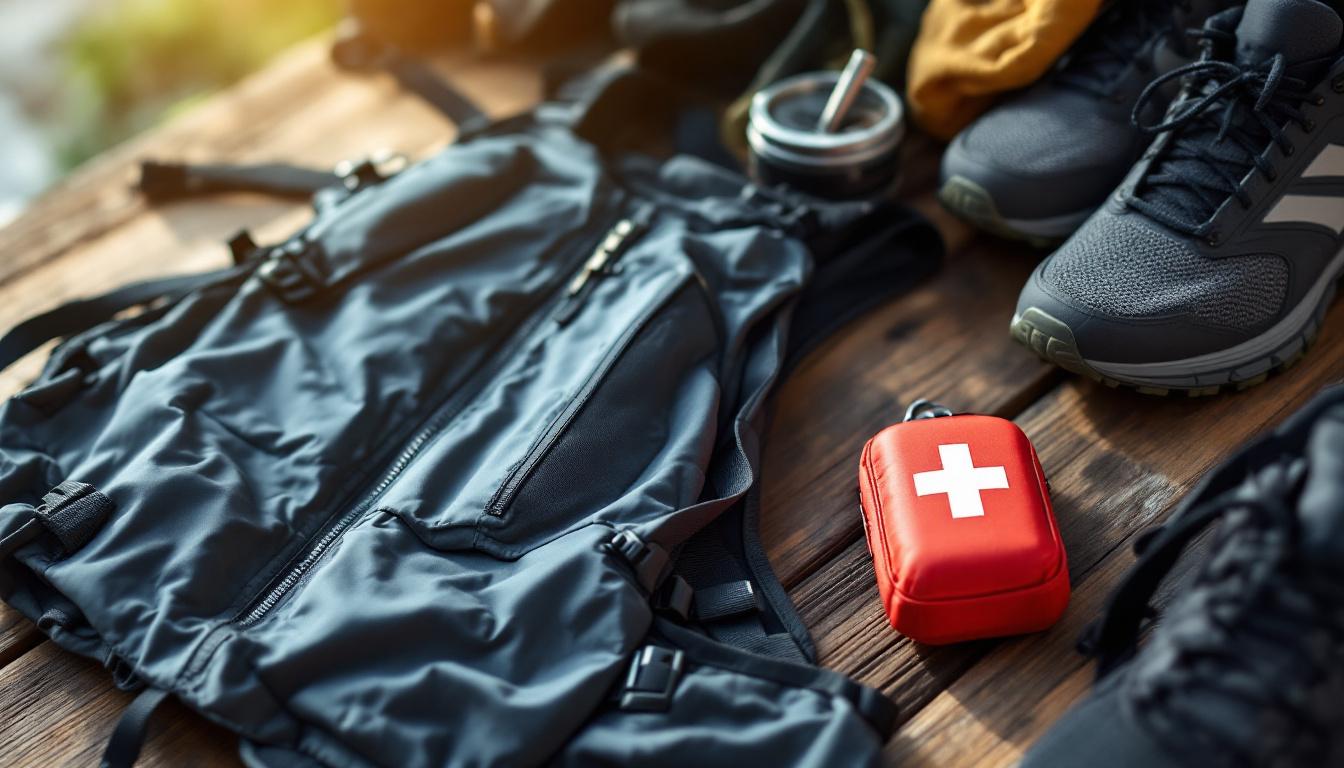
Trail-specific shoes are the single biggest upgrade. Many brands now use similar aggressive outsoles, which bite into dirt far more reliably than flat road soles. For a first pair, comfort and a secure, locked-in feel around the heel and midfoot matter more than chasing the exact model worn by elite mountain goats on social media.
Clothing can stay simple. Technical tops and socks that wick sweat help prevent chafing and blisters. A light hat or buff keeps sun and stray branches off sensitive areas. For water and fuel, shorter outings might only need a handheld bottle with a small pocket for keys and a gel. Longer adventures feel easier with a minimalist running vest or belt that spreads weight comfortably. If conditions are cooler or unpredictable, a packable wind or rain shell earns its keep very quickly.
For added comfort and performance, consider investing in quality sports leggings and compression socks. These can enhance circulation and provide additional support during runs. Additionally, running insoles can offer improved cushioning and arch support, making those longer trails more comfortable.
Optional Toys (That Actually Help)
A few extras can make trail life more enjoyable, especially as runs get a bit longer or more remote. Small collapsible trekking poles can be a huge help on steep climbs and descents, especially for those with cranky knees. A basic GPS watch or running app on a phone is handy for tracking time and distance, but the main reason to carry a phone is safety and navigation rather than obsessing over pace.
Headlamps, fancy filters, and ultralight emergency blankets all have their place, but none are required for a first beginner-friendly daytime trail outing. Start with the basics, see what feels inconvenient or stressful, and let that guide future purchases. The goal is to feel slightly adventurous, not like prepping for an expedition across an uncharted continent.
Fuel, Hydration, and Staying in One Piece
On trails, pace usually slows and effort varies with the terrain. That often means being out there longer than an equivalent road run, even if the distance is similar. For a first trail run of modest length, think “a little and often.” Sip water regularly rather than chugging giant amounts at once.
Take small, frequent bites of easy-to-digest carbs: sports chews, gels, soft bars, or even simple snacks like dried fruit and crackers, depending on stomach tolerance. Practice with the same foods during training so there are no race-day surprises of the gastrointestinal variety.
Staying in one piece also means smart warm-ups and ongoing injury prevention. Before running, spend a few minutes with dynamic movements: leg swings, hip circles, ankle rolls, and gentle lunges. During the run, it’s perfectly acceptable - wise, even - to walk steep or very technical sections to protect ankles and knees.
Safety, Etiquette, and Not Getting Lost
Trail etiquette is wonderfully simple and mostly boils down to: be kind, be predictable, and leave the forest looking like no one passed through. On narrow paths, step aside briefly to let faster runners pass. If using headphones, keep the volume low or use only one ear so other trail users can be heard. Pack out all trash, including tiny gel tabs and wrappers that mysteriously leap from pockets.
Navigation deserves respect. Before heading out, glance at a map of the route, note major intersections, and, if possible, download a basic offline map to a phone. Tell someone roughly where the run will be and when a return is expected. It feels slightly overcautious until the moment it doesn’t.
Race Day (or Adventure Day) for Your First Trail Run
When the big day arrives, nerves are normal. So is the impulse to sprint off the start line with everyone else and deeply regret it a short time later. Resist. Think of energy like battery life in a phone with far too many open apps; once it drains, things get ugly.
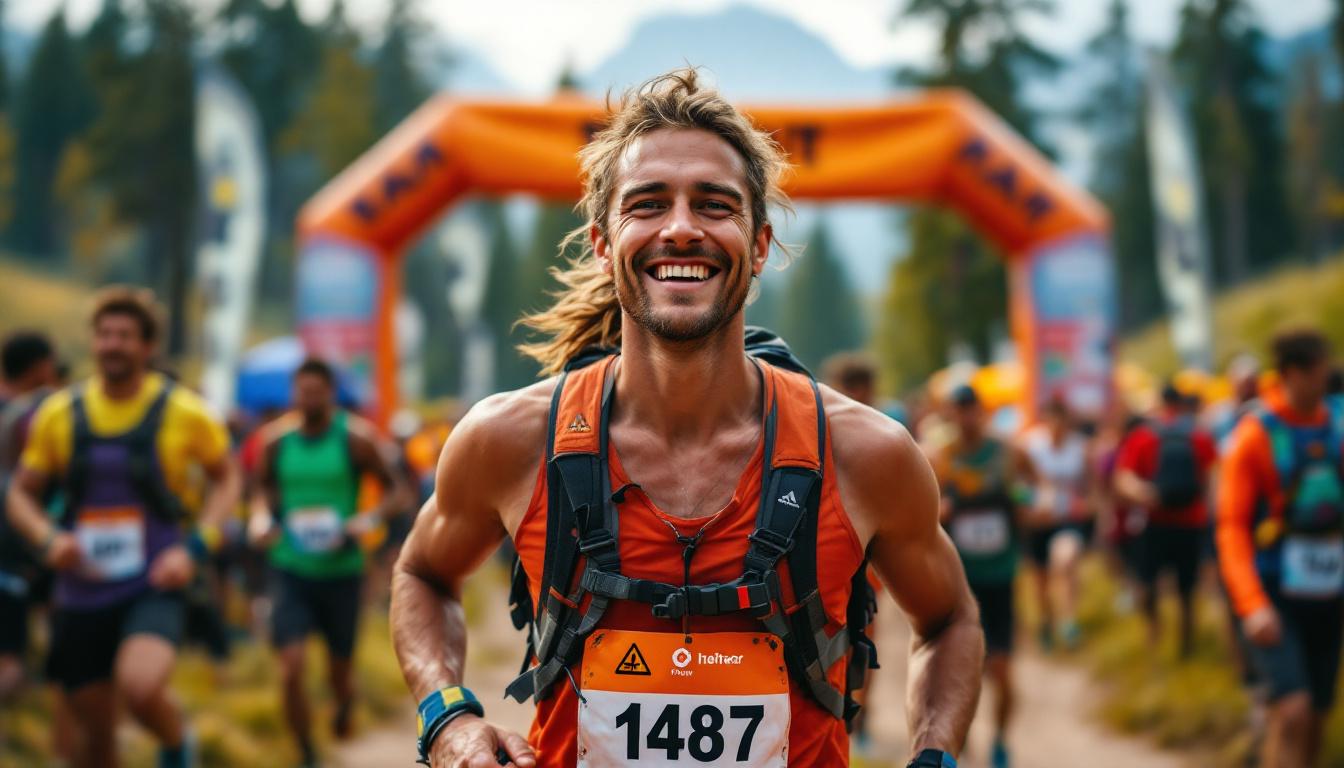
Start at a pace that feels almost suspiciously easy. Let the enthusiastic crowd charge ahead. Many of those early sprinters will be met again on the first real climb. Allow effort, not speed, to guide decisions: steady breathing on flats, controlled effort on hills, relaxed form on descents. Walk whenever needed, especially on steep grades. Even elite trail runners hike; it is a strategy, not a surrender.
Mentally, break the route into bite-sized chunks: the relaxed first section, the big hill, the middle “cruise,” and the final stretch. Celebrate small wins -reaching the top of a climb, nailing a tricky downhill, or simply noticing a particularly beautiful view. This is one of the biggest perks of trail events: the scenery does half the motivational work.
Do a quick check-in near the end. If there’s extra energy, gradually pick up the effort and enjoy passing a few tired legs. If the tank feels empty, keep moving steadily and focus on form. Either way, crossing that finish line -or arriving back at the trailhead - means official membership in the off-road club.
Bringing It All Together
Training for a first trail run is less about chasing perfection and more about building a body and mind that can handle surprises. A mix of relaxed runs or walk-runs, purposeful hills, simple strength work, and a bit of practice on actual dirt is enough to feel ready. Add trail-capable shoes, basic fuel and hydration, and a sense of humor about the occasional stumble, and the foundation is solid.
Trail running is growing quickly for a reason. The sport offers community, adventure, and the kind of head-clearing focus that modern life doesn’t often provide. That first event or solo outing might feel intimidating, but somewhere between the first nervous steps and the final muddy stride, many people realize something important: this isn’t just “harder road running.” It’s an entirely different kind of joy.
Running Clothing
To help you out on the trail, check out our range or running clothes and activewear to wear on your next run.
