

How to Prevent and Treat Common Trail Running Injuries
Trail running is an exhilarating dance with nature - thrilling, unpredictable, and sometimes a bit harsh on your body. One moment you're gliding through a forest path, the next you're dealing with a blister or a twisted ankle, pondering how a fun run turned into a medical episode.
But don't retire your trail shoes just yet. By understanding common injuries and how to prevent and treat them, you can continue to enjoy the trails with confidence and fewer painful interruptions.
Why Trail Running Injuries Are More Common Than You Think
Here's a startling fact: about one in four trail runners report at least one running-related injury in the year leading up to a race. That's 25% of trail lovers sidelined by injuries. The challenging terrain, unpredictable weather, and sheer endurance required make trail running a hotspot for bumps, bruises, and blisters.
Trail running isn't just jogging on a flat treadmill with a scenic view. It's an endurance sport that requires running outdoors on natural terrain -think rocky paths, steep climbs, slippery mud, and unexpected roots. This variety means your body is constantly adapting, which is excellent for fitness but can increase injury risk if you're not cautious.
The unpredictable trail conditions can lead to a range of injuries less common in road running. Ankle sprains are particularly prevalent due to uneven surfaces that can catch even seasoned runners off guard. Additionally, descending steep hills can place excessive strain on the knees, leading to conditions like runner's knee or patellar tendinopathy. Fatigue exacerbates these risks, as tired muscles are less able to stabilize joints and maintain proper form, making it crucial for runners to heed their bodies and recognize signs of overuse.
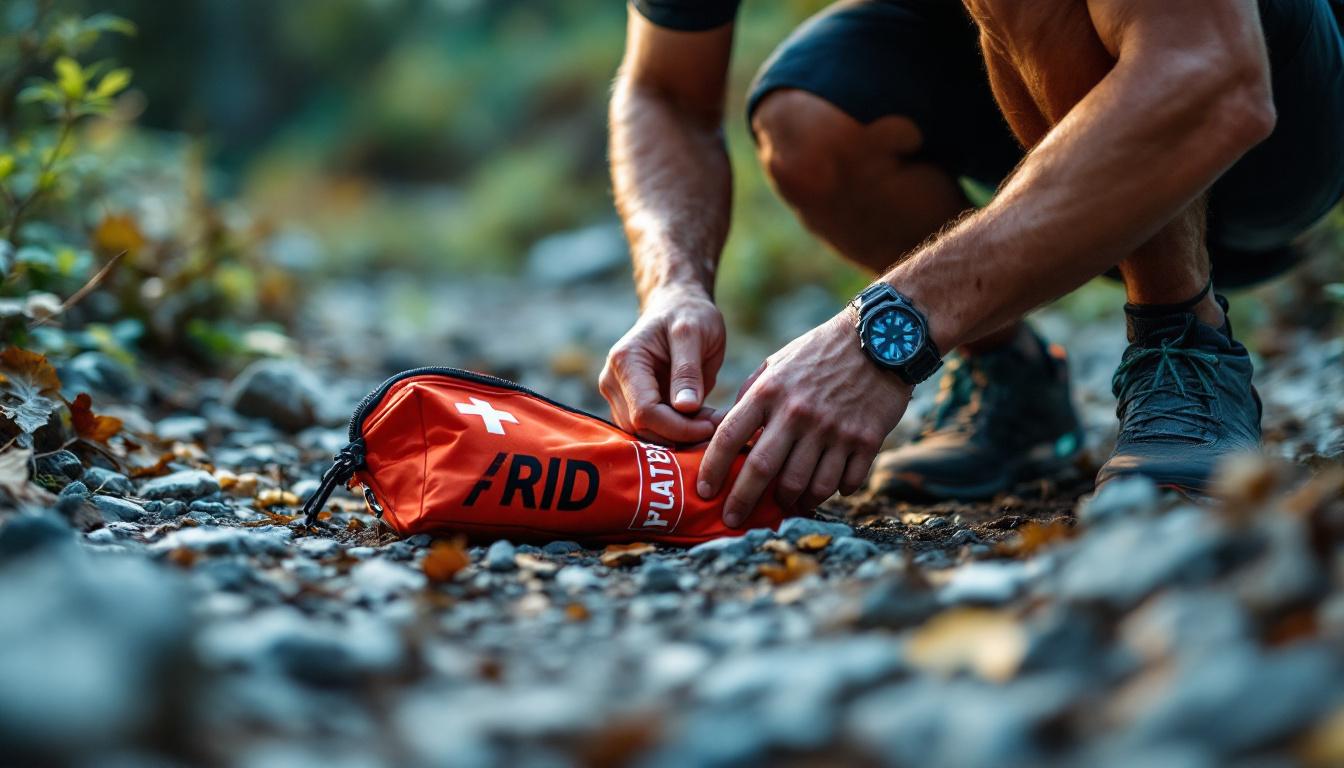
Another factor contributing to the high injury rate in trail running is the limited access to immediate medical assistance in remote areas. Unlike urban running routes, trails can be far from help, making it essential for runners to be prepared for emergencies. Carrying a small first aid kit, knowing basic injury management techniques, and running with a buddy can be vital in mitigating the risks associated with trail running. Additionally, investing in proper footwear designed for trail conditions can provide the necessary grip and support, reducing the likelihood of slips and falls that often lead to injuries.
Common Trail Running Injuries and Why They Happen
Blisters: The Tiny Torturers
Blisters on the foot and toes are the most reported injuries among trail runners. They might seem minor, but a blister can turn a joyful run into a painful shuffle. The uneven terrain and long hours in your shoes cause friction and moisture buildup, making your feet a blister hotspot.
To combat this, many runners opt for moisture-wicking socks and shoes that fit snugly without being too tight. Additionally, applying blister prevention tape or using specialized blister pads can help mitigate the risk. Understanding the importance of foot care and regularly inspecting your feet after long runs can also help catch early signs of blister formation before they become a larger issue.
Musculoskeletal Injuries: The Usual Suspects
Lower limb injuries dominate the trail running injury scene. Ankles, knees, and shins take the brunt of the impact and twisting motions. From sprains to strains, these injuries often stem from the unpredictable surfaces and sudden changes in direction that trail running demands.
Strengthening exercises targeting the muscles around these joints can greatly reduce the risk of injury. Incorporating balance and stability training into your routine can also enhance your body’s ability to adapt to uneven ground. Furthermore, maintaining flexibility through regular stretching can help prevent tightness that often leads to injuries, allowing for a more fluid and safe running experience.
Severe Injuries in Ultra-Trail Races
Training for shorter ultra-trail races can actually increase your injury risk. These races tend to have a higher injury rate, a more diverse injury profile, and more severe injuries. The intensity and volume of training push your body to its limits, sometimes beyond what it can handle safely. In addition to physical strain, the mental aspect of ultra-trail training can also contribute to injuries; runners may push through pain or fatigue, ignoring warning signs from their bodies. Proper recovery strategies, such as cross-training, rest days, and nutrition, are crucial in mitigating these risks. Moreover, understanding the importance of pacing and listening to your body during both training and races can help prevent overexertion and the associated injuries that come with it.
What Makes Trail Runners More Prone to Injuries?
Injury risk in trail running isn’t just about the terrain. It’s a mix of extrinsic and intrinsic factors. Extrinsic factors include things like the trail conditions, weather, and your gear. Intrinsic factors are all about you - your body weight, training habits, and recovery practices.

For example, runners with higher body weight, less interval training, lower weekly training volume, and poor passive recovery routines tend to have a higher risk of injury. It’s not just about running more; it’s about running smart.
Prevention Strategies: How to Keep Injuries at Bay
Choose the Right Shoes, Insoles, and Socks
Invest in trail running shoes that offer good grip, support, and protection against rocks and roots. Pair them with moisture-wicking socks and consider using compression socks to enhance circulation and reduce muscle fatigue. Running insoles can provide additional support and cushioning, helping to prevent foot injuries and improve comfort. Remember, blister prevention starts with your footwear.

Build Strength and Flexibility
Strengthen your lower limbs with targeted exercises. Strong muscles and tendons provide better joint support and shock absorption. Incorporate flexibility work to maintain a good range of motion, which helps prevent strains and sprains.
Train Smart and Gradually
Don’t jump into ultra-trail training without building a solid base. Gradually increase your mileage and intensity. Include interval training to improve your body’s ability to handle varied paces and terrain. And don’t skimp on rest days - regular passive recovery is crucial.
Pay Attention to Your Body
Trail running is demanding, so listen to what your body tells you. Early signs of injury like persistent soreness or swelling shouldn’t be ignored. Addressing minor issues early can prevent them from becoming major setbacks.
Treatment Tips: What to Do When Injuries Strike
Blisters
Clean the area gently and cover it with a blister-specific bandage. Avoid popping blisters unless they’re large and painful, and then only with sterile tools. Let your feet breathe and change socks regularly to keep moisture at bay.
Sprains and Strains
Follow the R.I.C.E. protocol - Rest, Ice, Compression, and Elevation. If pain or swelling persists beyond a few days, see a healthcare professional. Physical therapy can help restore function and prevent future injuries.
Severe Injuries
For more serious injuries, especially those involving bones or severe ligament damage, seek immediate medical attention. Early diagnosis and treatment are key to a full recovery.
Final Thoughts: Enjoy the Trails, Injured Less
Trail running is an incredible way to connect with nature and challenge yourself physically. But it comes with its fair share of injury risks. By understanding the common injuries, recognizing your personal risk factors, and adopting smart training and recovery habits, you can minimize downtime and maximize your trail adventures.
Remember, the goal isn’t just to run hard but to run healthy. So lace up, stay safe, and keep those trails calling your name.