

How to Choose the Right Running Backpack for Trails
Imagine you're halfway through a rugged mountain trail, the sun beating down, your legs begging for mercy, and your backpack suddenly feels like a sack of bricks strapped to your back. Not exactly the recipe for a joyful run, right?
Choosing the right running backpack can make or break your trail experience-literally. Let’s dive into how to pick one that feels like part of you, not an awkward appendage.
Why Weight Matters More Than You Think
When it comes to running backpacks, lighter is better. The ideal pack is one you can forget you’re even wearing. If you start noticing it with every step, it’s probably too heavy or poorly designed. A lightweight design isn’t just a luxury - it’s essential for comfort and performance on the trail. After all, lugging around unnecessary weight is like running with a grumpy squirrel on your back. Annoying, distracting, and totally avoidable.
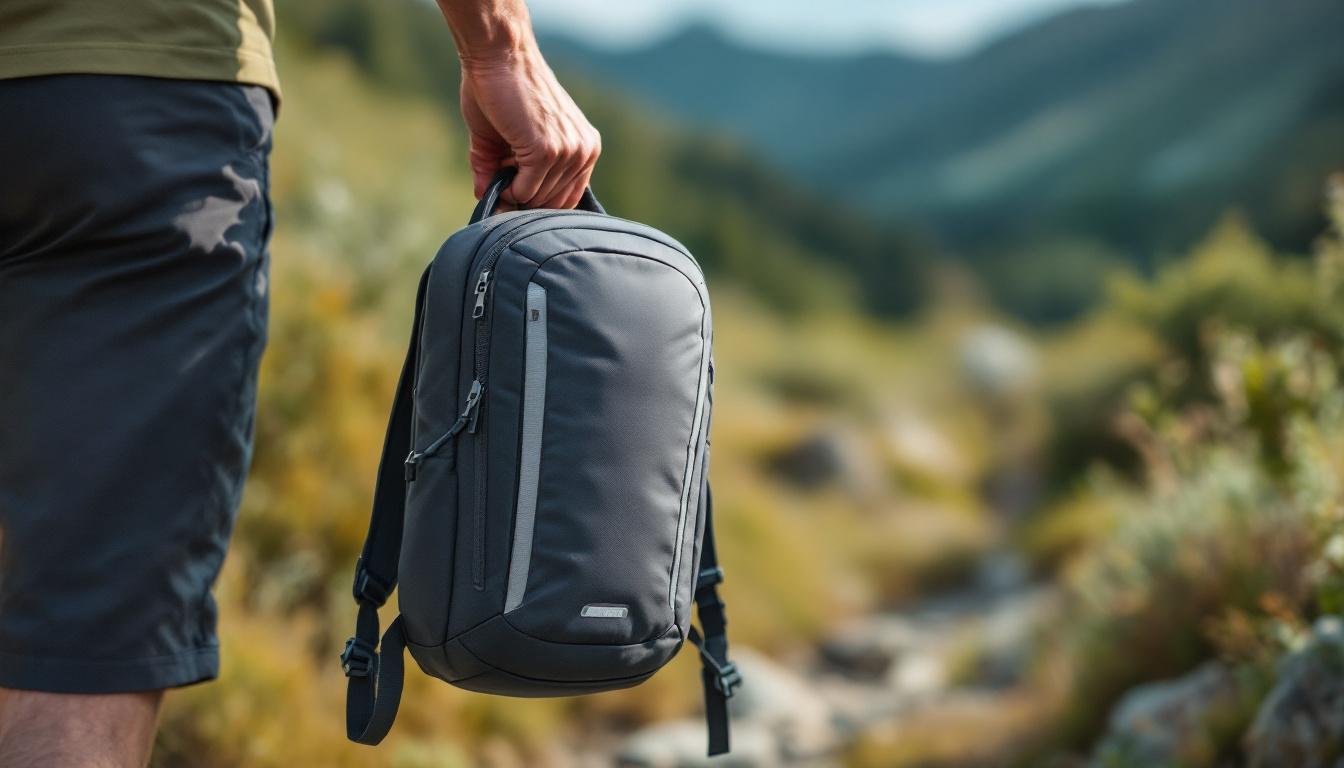
But don’t mistake lightweight for flimsy. A backpack that falls apart after a couple of runs is about as useful as a chocolate teapot. Durability matters just as much as weight. You want materials and construction that can handle the rough and tumble of trail running without adding bulk. High-quality fabrics like ripstop nylon or Cordura can provide the strength you need while keeping the weight down. Reinforced stitching and quality zippers are also key features that ensure your gear stays intact, no matter how rugged the terrain.
Finding the Sweet Spot Between Light and Tough
Some packs nail this balance better than others. Look for brands and models praised for their durability without sacrificing weight. It’s a tricky combo, but it’s out there. The last thing you want is to be mid-run, fumbling with a broken strap or a torn pocket.
Additionally, consider the pack's design features that enhance usability, such as adjustable straps, breathable mesh back panels, and strategically placed pockets for easy access to essentials like hydration bottles or energy gels. These thoughtful details can significantly elevate your running experience, allowing you to focus on the trail ahead rather than your gear.
Moreover, the fit of the backpack plays a crucial role in how weight is distributed across your body. A well-fitted pack will minimize bouncing and shifting, which can lead to discomfort and fatigue. Many brands offer packs in various sizes or with adjustable components to cater to different body types.
Before making a purchase, it’s wise to try on several options, ideally with some weight inside, to ensure that it feels just right. Remember, the goal is to create a seamless connection between you and your gear, allowing you to tackle any trail with confidence and ease.
Hydration: Soft Flasks, Bladders, or Bottles?
Hydration is the lifeblood of any trail run. But how you carry your water can be a game-changer. There are three main options: soft flasks, hydration bladders, and traditional bottles. Each has its quirks.
Soft flasks and bottles are great for quick sips and easy refills. They’re straightforward, and you can grab a gulp without stopping. Bladders hold more water, which is a big plus for longer runs, but they require a bit more management. Think: hose positioning, refilling on the go, and occasional fiddling to avoid leaks or kinks.
Choosing between them depends on your run length and personal preference. If you’re racing or doing fast-and-light runs, quick access might trump volume. For longer treks, a bladder’s capacity can be a lifesaver.
Pack Design and Hydration Compatibility
Not all backpacks accommodate every hydration style equally. Some are designed with bladder sleeves and hose ports, while others have dedicated bottle pockets. When shopping, check how the pack supports your preferred hydration method. It’s no fun to buy a pack only to realize your water system doesn’t fit.
Fit and Comfort: The Unsung Heroes
Even the lightest backpack is useless if it doesn’t fit right. Comfort is king on the trails, and a pack that shifts, rubs, or bounces will quickly become your enemy.
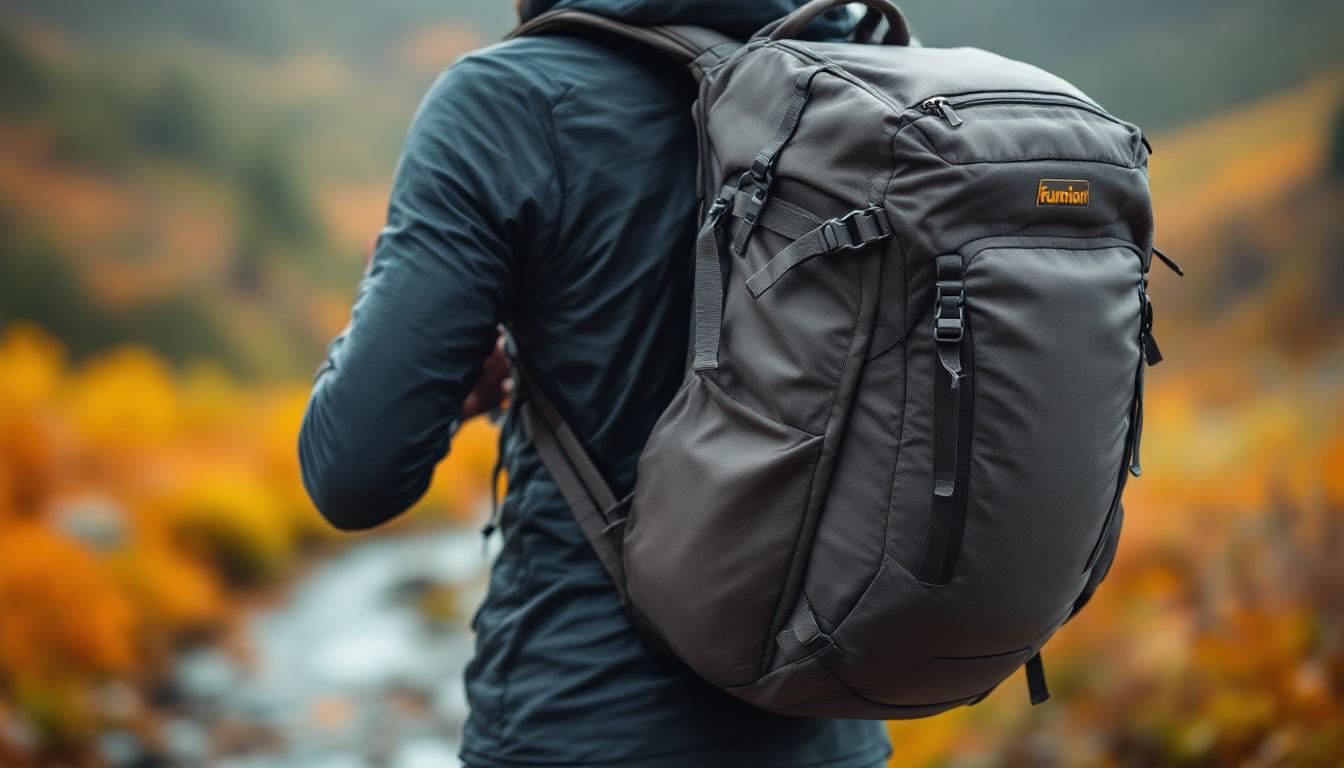
Elastic cords and adjustable loops are brilliant features that help you dial in the perfect fit. As you run, your pack’s weight changes-hydration empties, snacks get eaten-and these adjustments keep the load snug and stable. This dynamic fit is especially important for longer runs where comfort can make or break your pace.
Storage Capacity: How Much Do You Really Need?
Storage needs vary wildly depending on your trail, weather, and personal preferences. Some runners swear by minimalist packs with just enough room for essentials, while others want space for extra layers, food, and gear.
A 22-liter pack is a solid middle ground, offering enough room for essentials without becoming a bulky backpacking pack. For example, Osprey’s Talon 22 is often recommended for mountain trails because it strikes this balance well.
If you’re into fastpacking-think multi-day trail runs with light gear-consider packs like the Pa’lante Packs Joey. At 24 liters, it’s one of the smallest in its class but still packs a punch for serious runners who want to carry just what they need.
Don’t Overpack (You Know You Will)
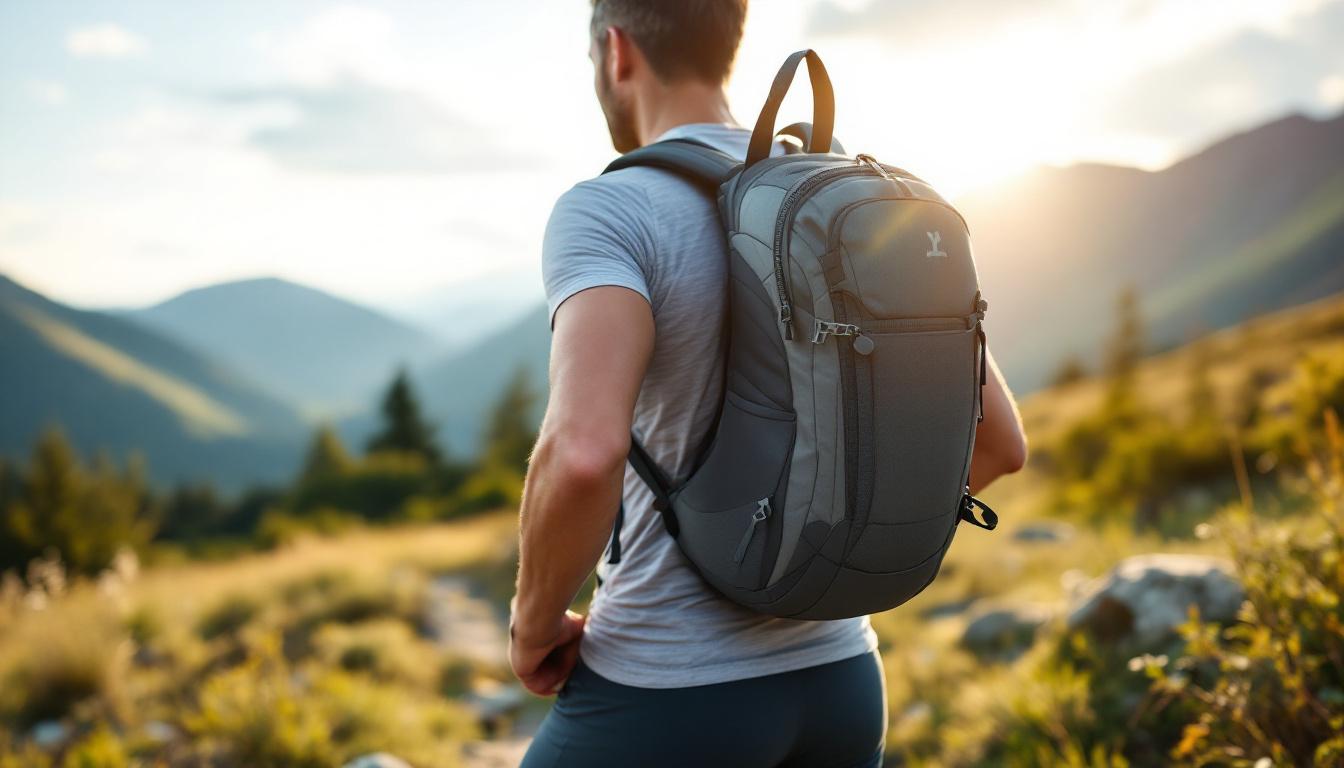
It’s tempting to throw everything but the kitchen sink in your pack. Resist that urge. Overpacking adds weight and bulk, which slows you down and can cause discomfort. Stick to essentials and trust your planning. If you’re unsure, start light and add only what you truly need.
Specialized Gear: When Collaboration Means Innovation
Some trail running gear comes from exciting collaborations that push the envelope on design and function. Take the Altra x Soar collection, for instance. It’s crafted with serious trail runners in mind, tackling challenging conditions with premium materials and thoughtful features.
These partnerships often bring fresh ideas to the table, blending performance, style, and durability. If you want gear that stands out and performs under pressure, keep an eye on these collaborations.
Race Day or Casual Trail? Choose Accordingly
Not all packs are created equal for every occasion. For race day, something bare-bones and ultra-light like The North Face Flight Race Day Vest 8 keeps you focused on speed and performance. For longer, more relaxed runs, a pack with more storage and comfort features might be better.
Final Thoughts: Your Back Deserves the Best
Choosing the right running backpack isn’t rocket science, but it does require some thought. Prioritize lightweight durability, hydration compatibility, fit, and storage capacity. Test different styles and listen to your body. Remember, the best pack is one that feels like it’s part of you-light, comfortable, and ready for whatever the trail throws your way.
So next time you gear up for a trail run, don’t just grab any old pack. Pick one that keeps you moving, hydrated, and happy. Because when your backpack works with you, not against you, even the toughest trails become a little easier-and a lot more fun.
Complete The Picture
Having a great backpack is only part of the picture. Having suitable t-shirts, sports leggings and compression socks can all add to your performance on the trail. Check out our range of activewear for the best experience on the trail.